Alex Long · 12 September 2026
Elmora Cultural Initiatives Connect 19th Century Archives with Ongoing Bilingual Policy Discussions
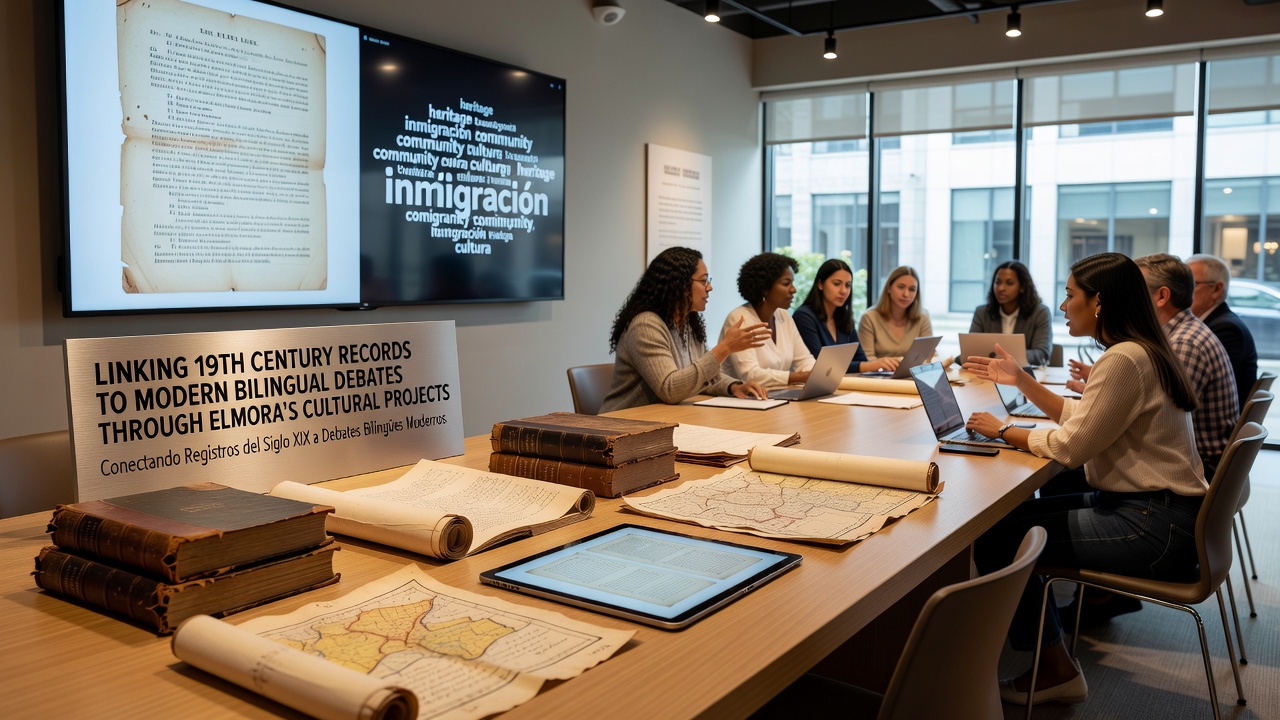
Elmora's cultural projects have established direct pathways between preserved 19th century records and contemporary debates on bilingual education and language policy, with multiple initiatives underway that draw from archival materials to inform current discussions. Researchers at regional institutions have cataloged documents from the 1800s that detail early language practices in the area, while project coordinators integrate these findings into public programs and digital exhibits scheduled for expansion in September 2026.
Archival Foundations from the 1800s
Records from Elmora's municipal archives include census data, school ledgers, and community correspondence that document language use among settlers and residents during the 19th century, with entries showing regular alternation between German and local dialects in official and daily contexts. Historians have cross-referenced these materials against regional migration patterns, revealing how bilingual practices supported trade and community governance at the time. Project teams now digitize and annotate these documents for broader access, which allows participants in language policy forums to reference specific examples rather than generalized histories.
Current Bilingual Debates and Project Integration
Modern discussions in Elmora focus on curriculum requirements for dual-language instruction and public signage standards, with council meetings and community workshops addressing implementation timelines and resource allocation. Cultural projects bridge these topics by hosting workshops that pair 19th century texts with data on present-day enrollment in bilingual programs, where figures from educational departments indicate steady growth in participation rates over the past decade. Observers note that this approach provides concrete context, since participants examine original phrases from archival letters alongside contemporary policy proposals.
Key Project Components and September 2026 Milestones
One ongoing effort involves an interactive exhibit that maps language shifts across Elmora neighborhoods using georeferenced records, and another series of public lectures invites linguists to analyze how 19th century bilingual correspondence mirrors current code-switching patterns in local media. In September 2026 the projects will launch an updated digital platform that incorporates feedback from prior sessions, along with new audio recordings of community members reading excerpts from the archives. These additions build on earlier phases that already connected over 2,500 visitors with the materials through guided tours and online modules.
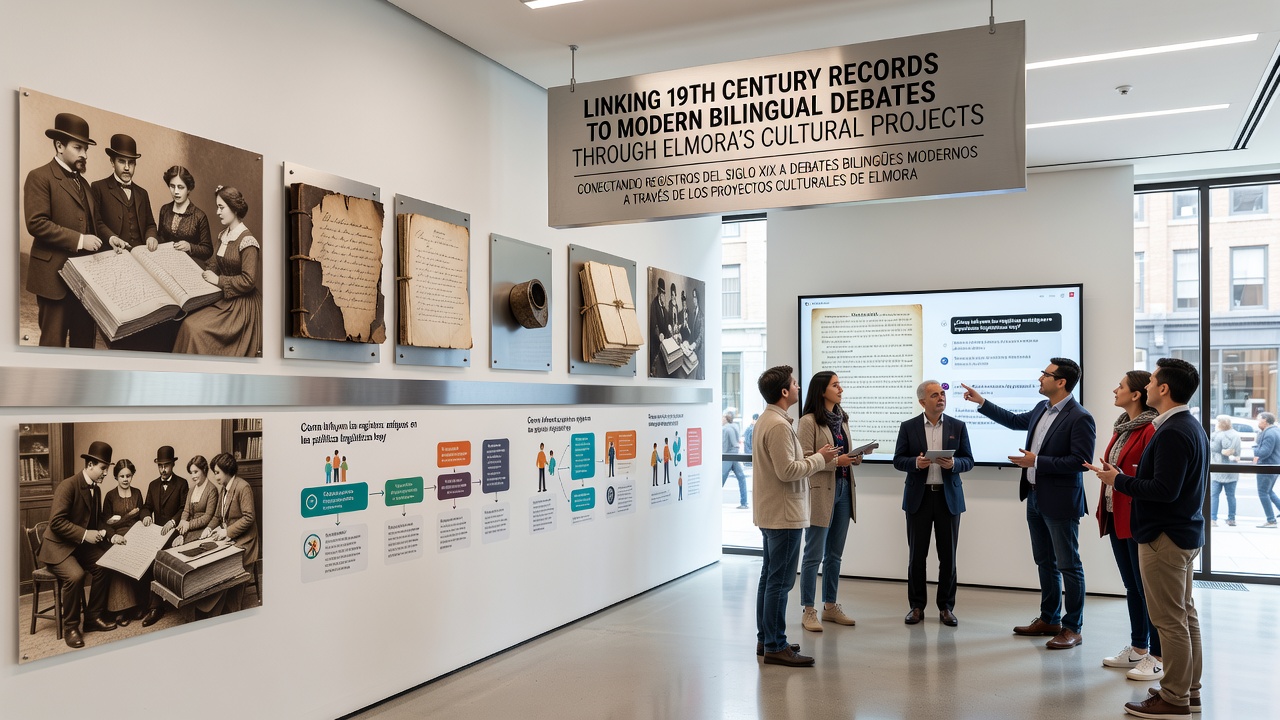
Additional components include partnerships with local libraries to host reading groups focused on translated 19th century documents, and data from these sessions shows increased attendance when events combine historical content with policy roundtables. Project reports indicate that participants frequently reference specific archival passages when discussing modern bilingual signage rules, which creates a feedback loop between past practices and present recommendations.
Broader Connections and Supporting Research
Similar efforts in other regions demonstrate comparable results, according to reports from the European Commission on multilingualism, which tracks how heritage language materials influence policy development across member states. In Canada, studies from the Statistics Canada language research division highlight parallel patterns where archived correspondence informs contemporary bilingual service planning. Elmora's approach adapts these models by emphasizing direct public engagement with primary sources rather than summarized summaries alone.
Those coordinating the projects maintain detailed metrics on engagement, including session duration and follow-up inquiries about policy documents, and these records help refine future programming. September 2026 activities will introduce mobile exhibits that travel to schools, where students compare their own bilingual experiences with those described in the 19th century ledgers.
Conclusion
Elmora's cultural projects continue to expand the documented links between 19th century records and modern bilingual debates through structured exhibits, workshops, and digital resources. The September 2026 updates will add further layers of interaction, maintaining the focus on factual archival content and current policy data without introducing interpretive overlays. This framework supports ongoing community access to both historical materials and contemporary language discussions.