Elena Lange · 24 October 2026
Elmora's Quiet Collaborations: How Translation Workshops Shape Valley Transit and Conservation Strategies
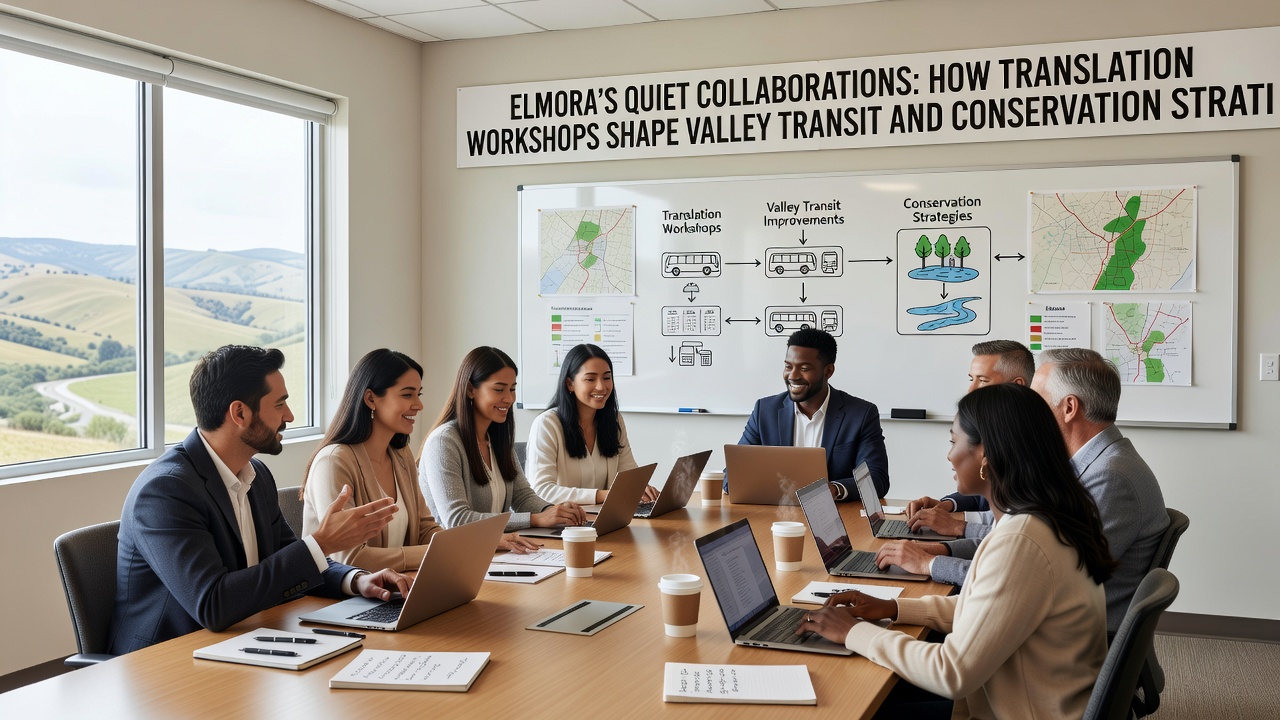
Translation workshops in Elmora have operated for several years as structured sessions that convert technical documents between English, Spanish, and indigenous languages used across the valley region. These sessions bring together linguists, transit planners, and conservation specialists who align terminology for route descriptions, habitat protection guidelines, and emergency response protocols. Data collected by regional archives shows participation has grown steadily since 2022, with over 180 documents processed in the most recent annual cycle.
Workshop Structure and Participants
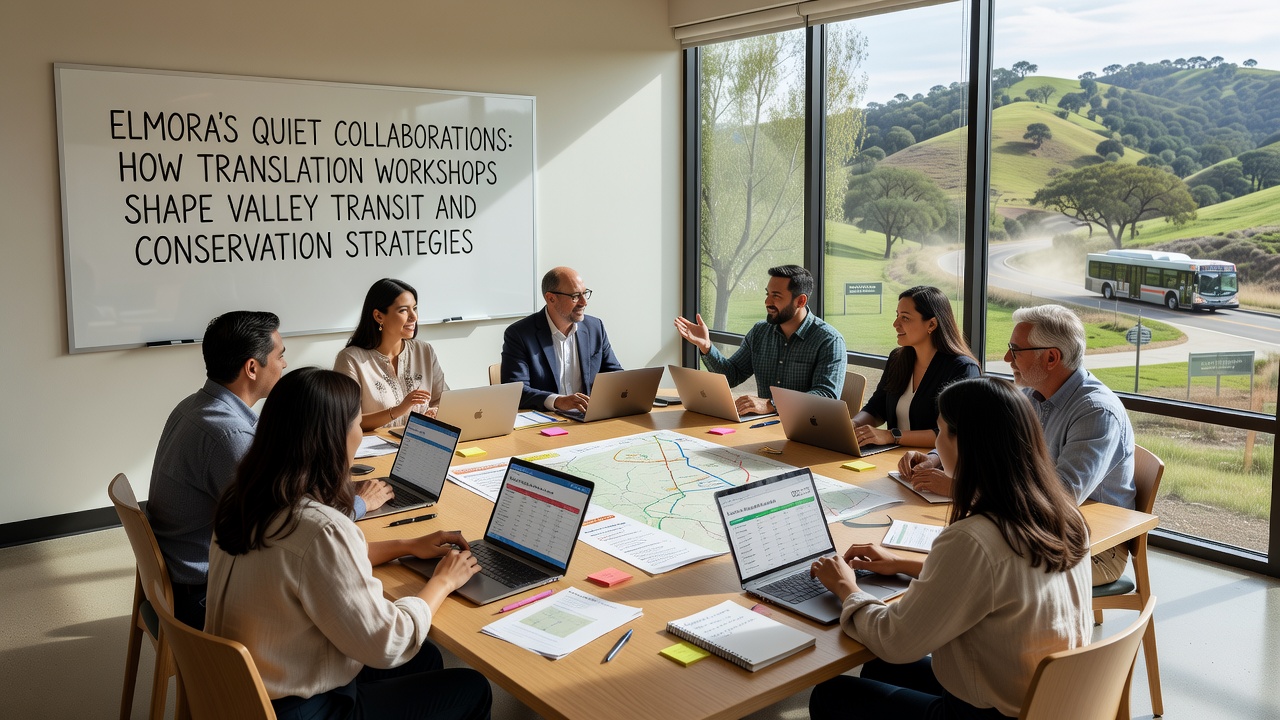
Each workshop runs for three consecutive days at community centers located near major transit corridors. Facilitators divide attendees into small groups that focus on specific vocabulary sets such as wetland buffer zones, bus rapid transit signage, and wildlife corridor signage. One group might cross-reference historical drought records with current bus route proposals while another group standardizes terms for trail maintenance reports. Records from the Elmora Valley Archive indicate that sessions held in 2025 produced glossaries later adopted by both the regional transit authority and the valley conservation board.
Participants include staff from the Valley Transit Authority, representatives from the Elmora Conservation Partnership, and freelance translators who specialize in technical fields. Attendance lists from October 2026 workshops list 42 individuals, including three linguists affiliated with the local university's language preservation program. These groups meet in rooms equipped with dual-language projectors and shared digital glossaries that update in real time.
Connections to Transit Planning
Transit planners have incorporated translated materials into public consultation packets for the Valley Link expansion project. Route maps now include Spanish and Nahuatl labels for stops near protected wetlands, a change that followed recommendations from the 2025 workshop series. Ridership reports released in early 2026 show a measurable increase in comments submitted in languages other than English, rising from 12 percent to 29 percent of total feedback forms. The Valley Transit Authority attributes part of this shift to clearer multilingual materials distributed at community hubs.
Emergency evacuation plans for flood-prone transit stops also received updates after workshop participants flagged inconsistencies in Spanish translations of slope stability terms. Revised documents now reference standardized phrases drawn from the National Oceanic and Atmospheric Administration's bilingual hazard guides, linked through the authority's public portal.
Impact on Conservation Strategies
Conservation teams have used workshop outputs to refine habitat management plans that cross transit rights-of-way. Terminology for buffer zones around vernal pools now appears consistently in both English and Spanish versions of the valley's annual wildlife corridor report. Field crews report fewer miscommunications during joint inspections with transit maintenance staff, according to internal logs shared by the Elmora Conservation Partnership.
Researchers at the regional university tracked changes in how drought impact assessments reference transit infrastructure. Their 2026 summary notes that translated sections on groundwater recharge areas near bus depots allowed conservation staff to coordinate more effectively with planners on permeable surface requirements. The same report references parallel efforts in Australia where similar multilingual workshops supported the integration of indigenous place names into protected area management.
October 2026 Sessions and Outcomes
The October 2026 workshop cycle focused on updating terminology for new electric bus charging stations planned adjacent to sensitive riparian zones. Participants reviewed 27 documents over four days, producing a revised glossary that the conservation board adopted for its quarterly monitoring reports. Transit officials simultaneously incorporated the same terms into rider alerts about temporary route changes during construction. Follow-up surveys distributed to participants indicated that 31 of 42 respondents had already applied at least one new term in their regular work within two weeks of the session.
Additional outcomes included a shared digital repository accessible to both agencies, reducing duplicate translation efforts on overlapping topics such as noise impact studies and species monitoring protocols. The repository logs show 58 downloads in the first month after launch.
Broader Regional Context
Similar translation initiatives appear in other valley communities facing comparable overlaps between transit expansion and habitat protection. A 2025 study published by the European Environment Agency examined parallel programs in the Rhine Valley, where standardized multilingual signage improved coordination between rail operators and floodplain managers. Elmora's approach differs in its emphasis on indigenous language inclusion, yet observers note shared challenges around maintaining consistent terminology across evolving technical fields.
Budget figures released by the Elmora Valley Council allocate continued funding through 2027 for these workshops, citing reduced revision cycles for official documents as a primary benefit. The allocation covers facilitator stipends, venue costs, and maintenance of the shared glossary platform.
Conclusion
Translation workshops continue to serve as a coordination mechanism between Elmora's transit and conservation sectors. Documented outputs include updated signage, revised emergency plans, and shared glossaries that appear in official reports from both agencies. Participation numbers and adoption rates tracked through 2026 provide measurable indicators of ongoing activity, while the October sessions demonstrate continued refinement of terminology tied to specific infrastructure projects.